
INFORMATION AND SAFETY FOR PATIENTS
Access rigorous information and find qualified centers and professionals in medical-surgical laser.
Patient Safety Decalogue
- Look for the SELMQ Quality Seal.
- Verify that you are being treated by a Licensed Physician (National Registry of Healthcare Professionals, REPS).
- Require a prior Medical Assessment Consultation.
- Ask about the CE Marking of the Equipment.
- The Treatment Room must be a Protected Area.
- Never undergo treatment without Protective Goggles.
- Read and sign your Informed Consent calmly.
- Be wary of “Low-Cost” Offers and Aggressive Discount Packages.
- Verify the Center’s Health Registration Number (N.I.C.S.).
- Require Post-Treatment Medical Follow-up.
What is medical-surgical laser?
The laser is not just a tool — it is a precision technology based on quantum physics.
Unlike conventional light, the laser emits monochromatic, coherent, and collimated energy, allowing extreme power to be concentrated on a microscopic point. This precision is what enables minimally invasive procedures with a much faster recovery for the patient.
Each technology has specific indications, power levels, and applications.
The indication depends on the clinical case, the area to be treated, and the patient's characteristics.
The choice of laser type and its application must be based on a professional assessment.
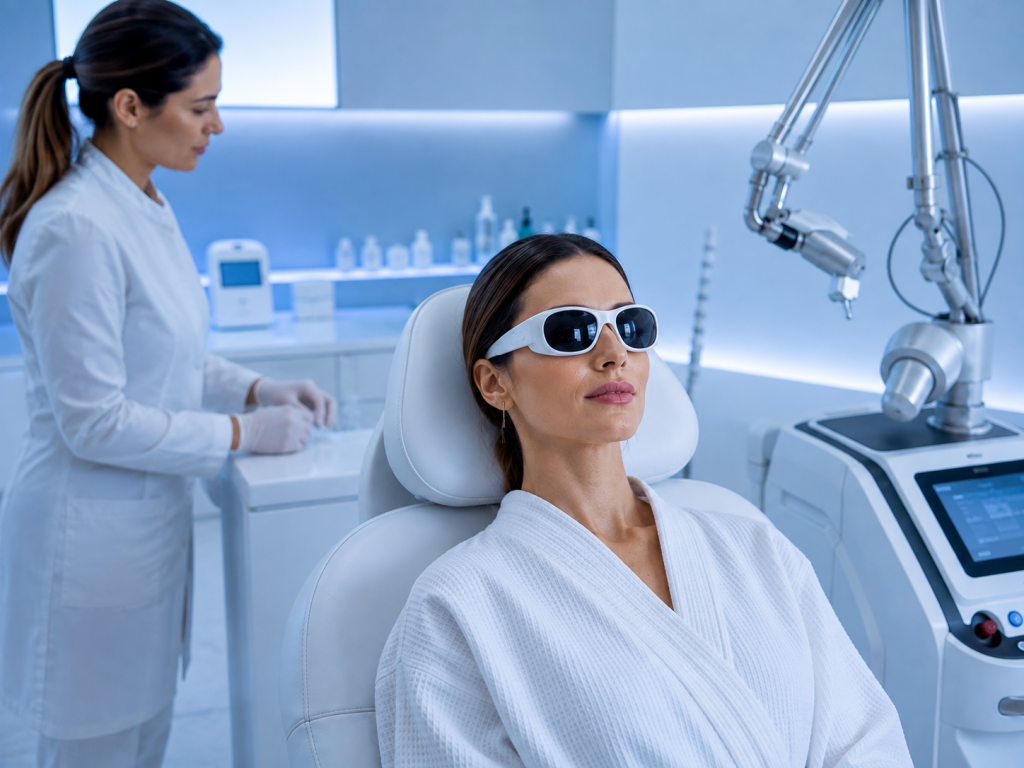
Laser Safety
The success of a laser treatment lies in its ability to act exclusively on the intended target (spot, tattoo, blood vessel) without damaging the surrounding tissue.
This principle, known as selective photothermolysis, requires the physician to select the appropriate wavelength so that it is absorbed only by the specific chromophore. The skill in this interaction is what defines patient safety.
Your Society protects you.
Let's work together against technical intrusion.
High and Low Power Laser Therapy
We can classify laser therapy according to its output power and medical application.
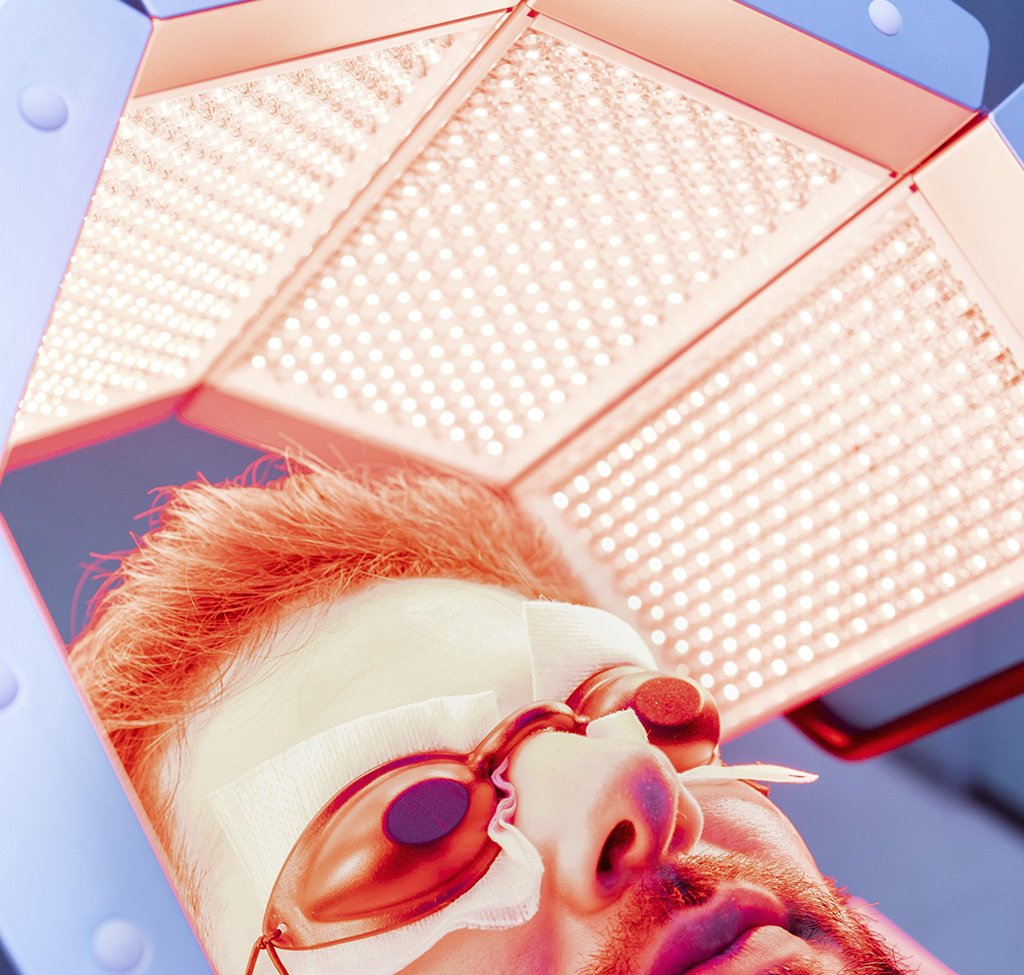
Low power (LLLT)
Used for cell biostimulation, accelerated healing, and pain relief, without generating thermal effects.
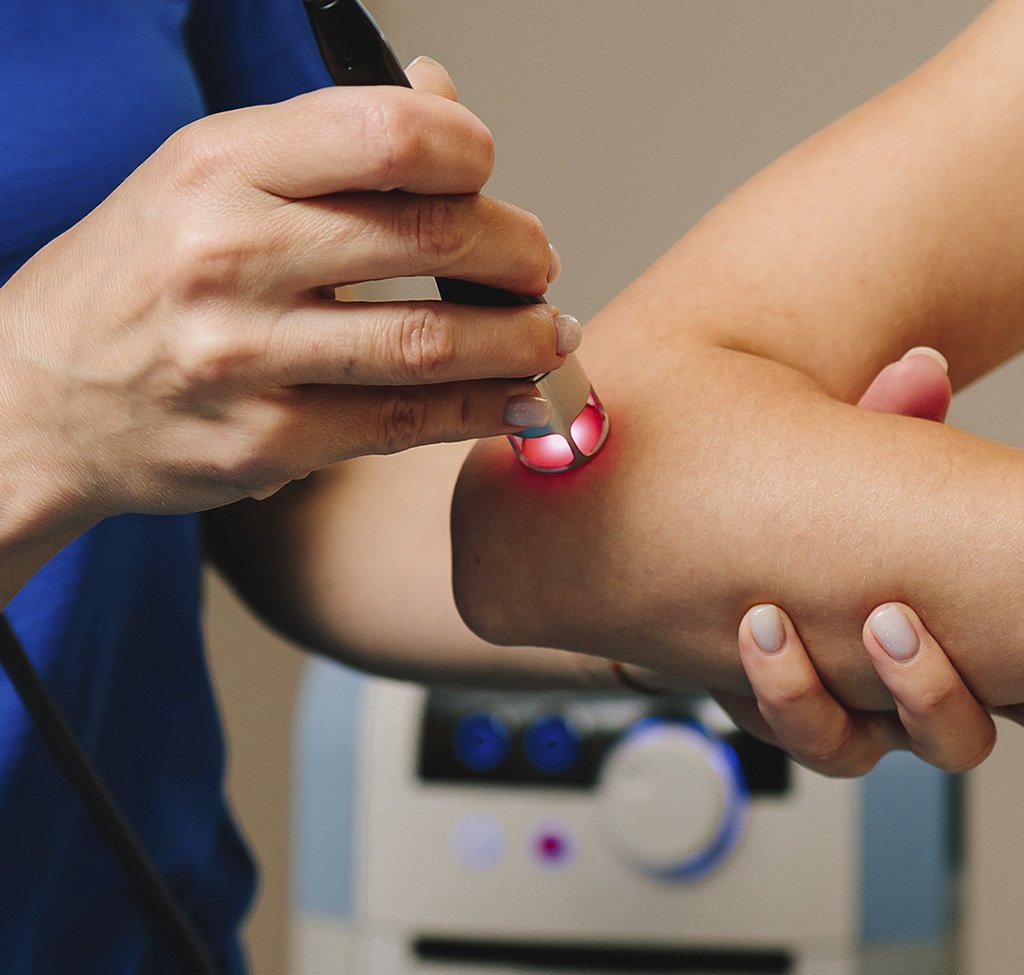
High power
Surgical lasers designed for cutting, vaporizing, or coagulating tissue. Their effectiveness depends strictly on the proper selection of power and exposure time, parameters that only an accredited professional can safely manage.
Good and bad uses of the surgical laser
- Proper use of the surgical laser
- It is performed by qualified and accredited surgeons
It is used in authorized medical settings (hospitals or clinics)
There is a clear and justified clinical indication
Approved, properly maintained equipment is used
Safety protocols are followed for both the patient and healthcare staff
- Improper use of the surgical laser
- It is performed by non-medical or unqualified personnel
It is carried out outside a regulated healthcare setting
It is used without a prior medical assessment
Basic safety standards are not followed
It is used for aesthetic or therapeutic purposes without clinical evidence
Beyond laser
Versatility in light-based systems and EBD
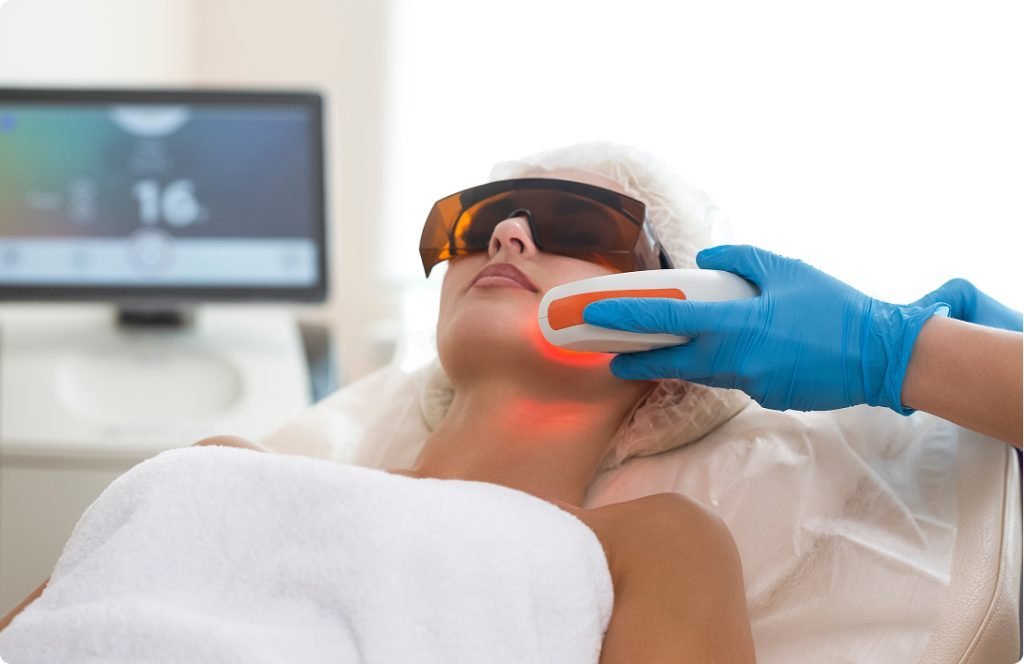
Intense Pulsed Light (IPL)
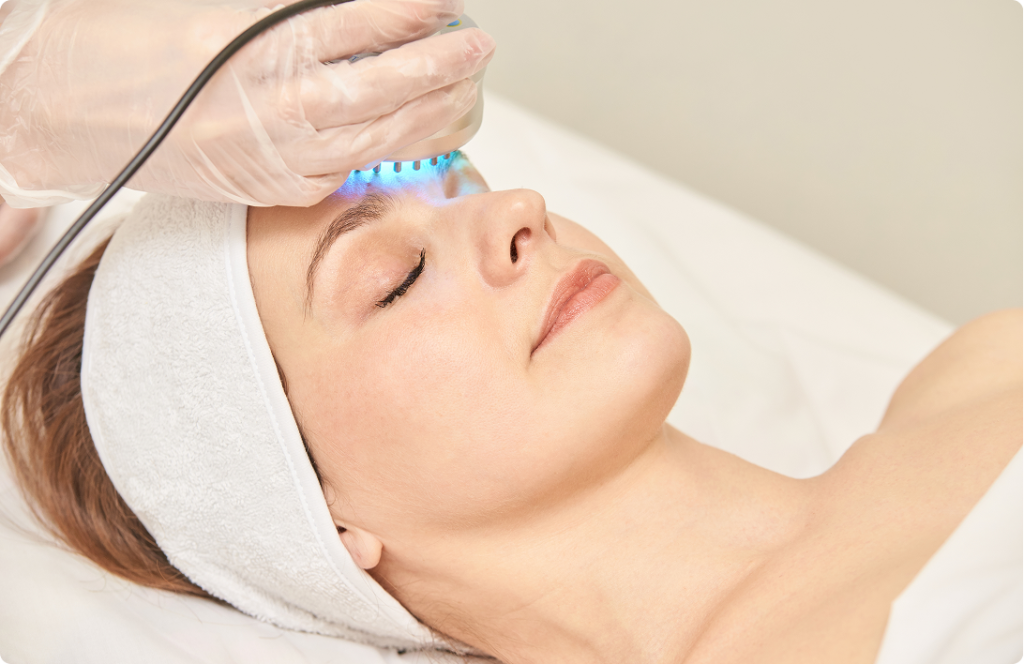
LED Technology
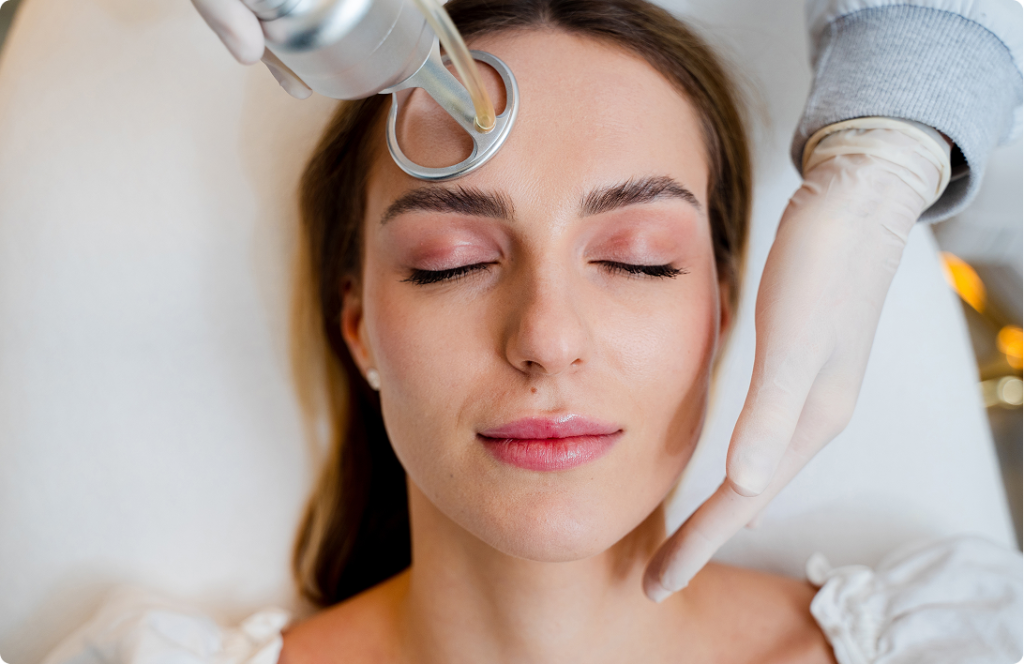
Energy Based Devices (EBD)
The versatility of this equipment requires a precise medical diagnosis to adjust the filters and parameters, avoiding burns or ineffective results.
Information by area and by procedure
Laser on head and neck
Laser on abdomen
Laser in digestive system
Laser for abdominal wall and hernias
Laser in proctology
Laser on extremities
Laser on skin and soft tissue
Post-procedure recommendations
Rest and activity Avoid strenuous effort and gradually resume activity as directed by your doctor.
Medication
Follow the prescribed treatment and do not self-medicate.
Care of the treated area Keep the area clean and follow the specialist's instructions.
Warning signs See a doctor if you experience severe pain, fever, bleeding, or abnormal swelling.
Medical follow-up
Attend follow-up appointments and reach out with any questions.

Send your inquiry
If you have questions about the use of surgical laser or need general guidance,
you can send us your inquiry. Our goal is to provide rigorous, medically based information.
Frequently asked questions about surgical laser
Is surgical laser safe?
Can any clinic perform laser surgery?
Are there risks?
Do I need a prior assessment before a procedure?
Can any clinic perform laser surgery?
Are there risks?
Do I need a prior assessment before a procedure?
It must be performed at authorized centers with approved equipment. It is essential that the procedure be carried out by professionals with specific training.